News & Articles
-
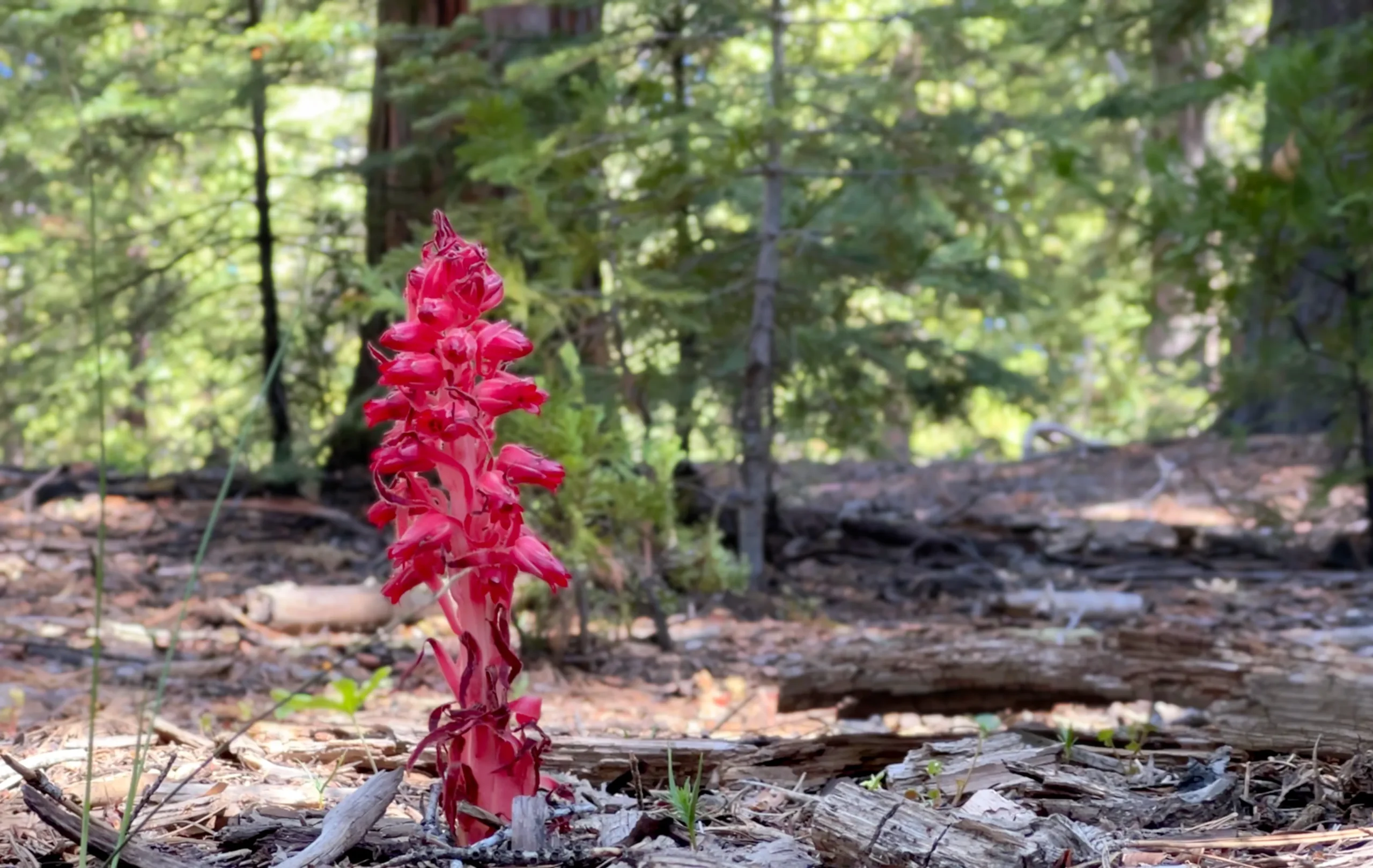
Plants of the Sierra: The Snow Plant
Read More: Plants of the Sierra: The Snow PlantOne of many native Sierra Nevada plants of interest is the Snow plant (Sarcodes sanguinea). The vibrant red color is stunning, the conical shape is unique, and it is a forerunner of spring flowers that will soon follow. The Snow Plant intrigues plant lovers because it lacks chlorophyll. Its roots are encased in fungi which absorb nutrients for the snow plant from decaying plant material in the soil (making it a saprophyte) and from surrounding trees (making it an indirect parasite). The Snow plant is difficult to confuse with other plants, and indeed stands a better chance of being confused…
-
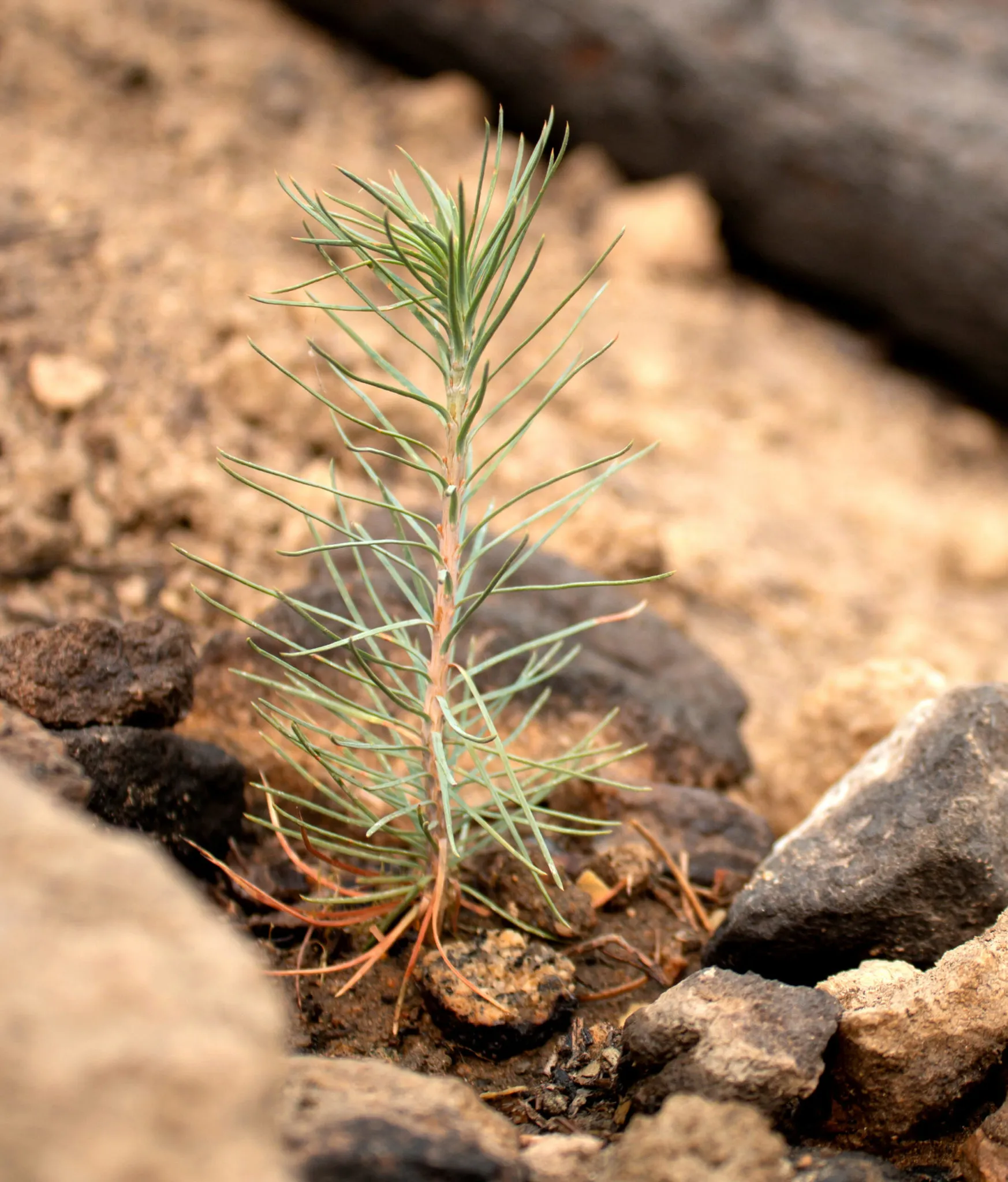
Nature Trail Guide
Read More: Nature Trail GuideThe Nature Trail is about 2/3 of a mile in length and gains about 70 feet of elevation. It is an easy 30 minute walk with stops at each of the marked stations corresponding to the trail guide. #1 REPRODUCTION Natural reproduction is required to maintain a forest ecosystem. There are three basic forms that assure continued plant life in a forest. Seeds, Sprouting, and tuberous roots. Most plants produce seeds. Well over a million seeds fall each year on each acre of a forest. Most of these seeds produce grasses and flowering plants. Coniferous trees, as shown here with the hundreds of White Fir trees at…
-

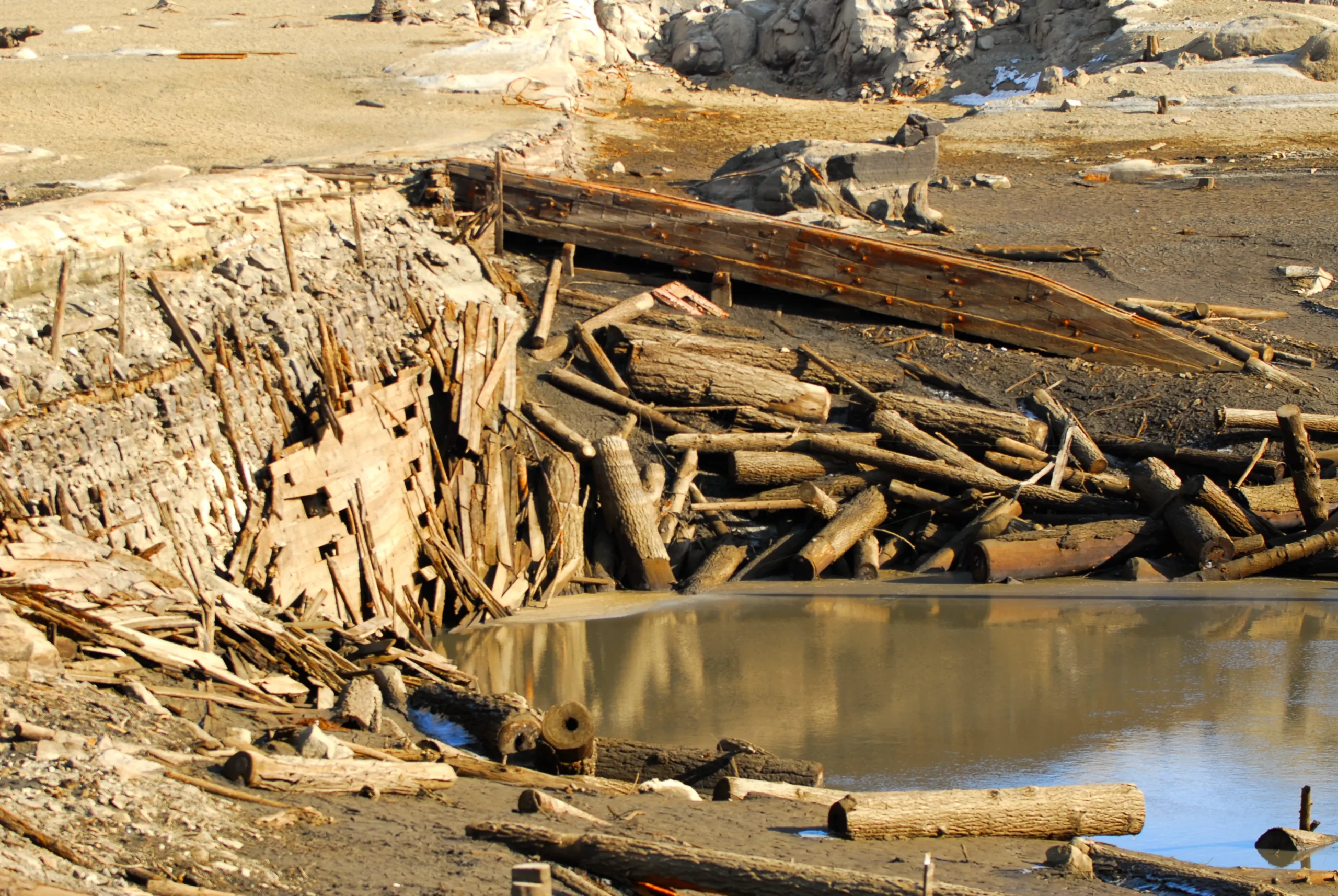
Historic Picture from the draining of Shaver Lake
Read More: Historic Picture from the draining of Shaver LakePhotographers as well as history buffs gathered to take in the experience of the draining of Shaver Lake (this picture was taken December 2011). Pictured is the Historic Shaver Lake sawmill. In its day, the mill pond created behind the old dam stored 5,000 acre feet of water, a fraction of the size of modern-day Shaver Lake. Processed lumber from the mill was then delivered to the Valley by way of a 42-mile-long wooden flume that snaked down the mountain to the present site of the Clovis Rodeo Grounds. Shaver Lake was drained so crews could make repairs to the main…
-
The Story of Sinker Lumber by Jeff Young
Read More: The Story of Sinker Lumber by Jeff YoungThe first sawmill came to the Pine Ridge area in the early 1850s, and by the 1880s several other sawmills were being operated around the local area. Around 1890 a sawmill was built on Stevenson Creek and within a couple of years an earth and rock dam was spanning the creek to provide water to a flume that would carry lumber to Clovis. This operation was run by Lewis P. Swift and C.B. Shaver who had several steam donkeys supplying logs to this large mill. Early on, the logs were skidded directly to the mill pond and then floated to…
-

American Forests: How one California community is reforesting after fire
Read More: American Forests: How one California community is reforesting after fireCALIFORNIA FORESTER Meghan Breniman stood in front of a group of landowners on a hillside in the Sierra Nevada Mountains devastated by forest fire. Clutching a tree-planting tool in one hand and her toddler’s hand in the other, she coached the group on the proper technique for planting seedlings, demonstrating how to aggressively tamp down the soil around the roots to remove air.