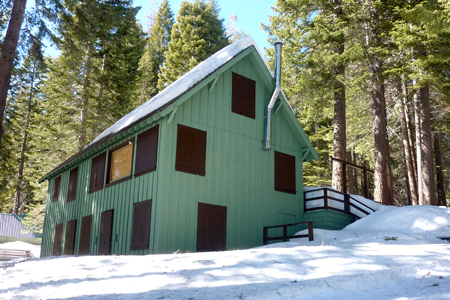
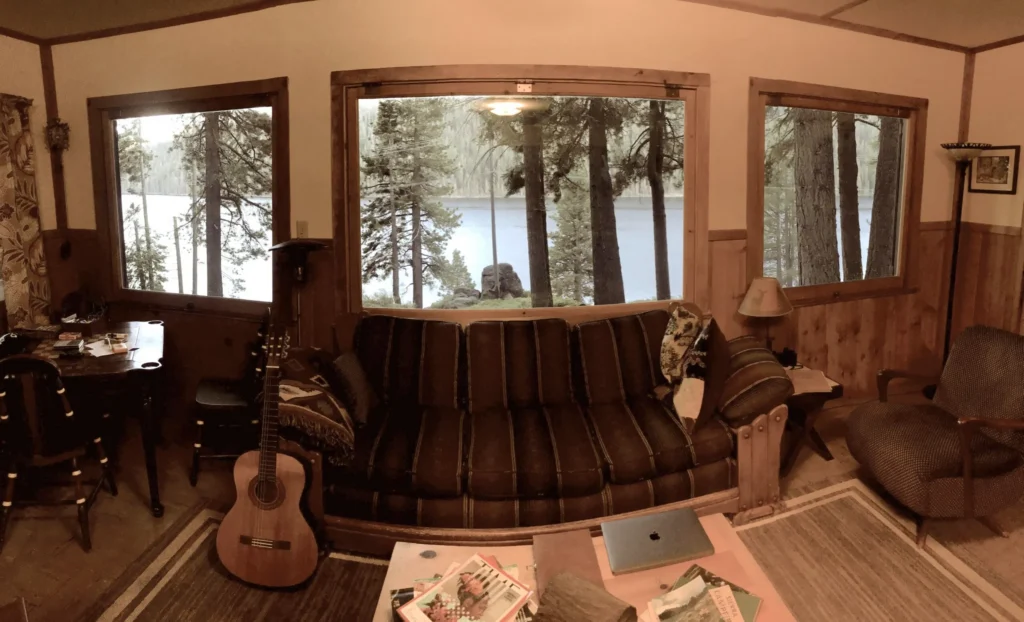
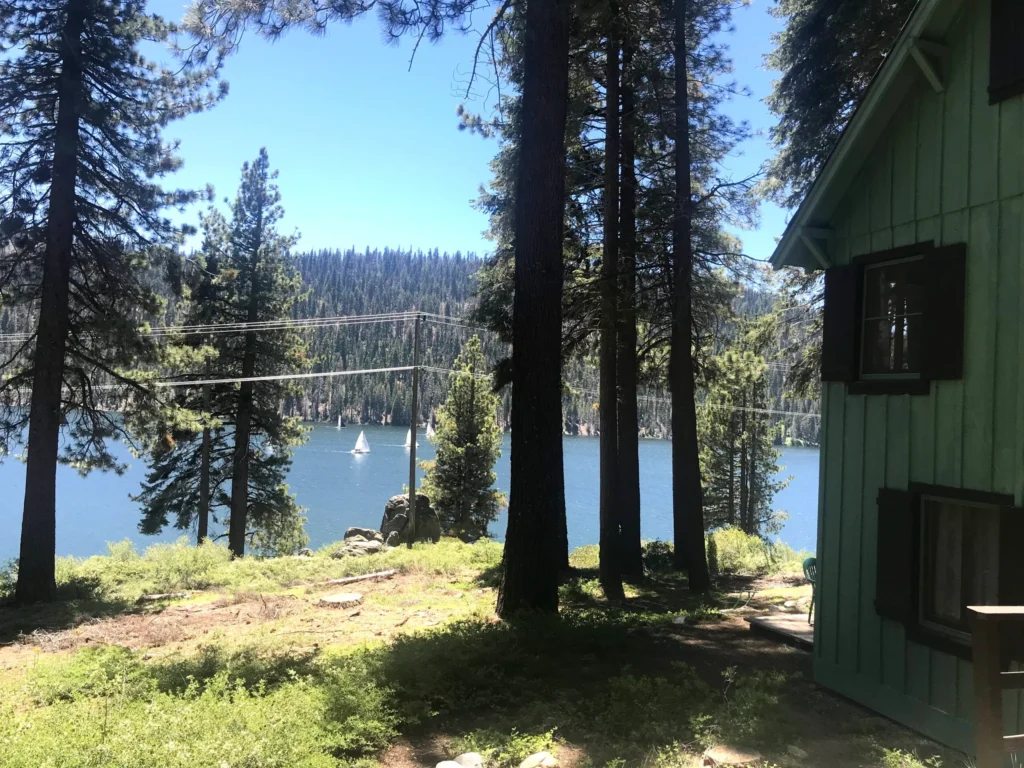
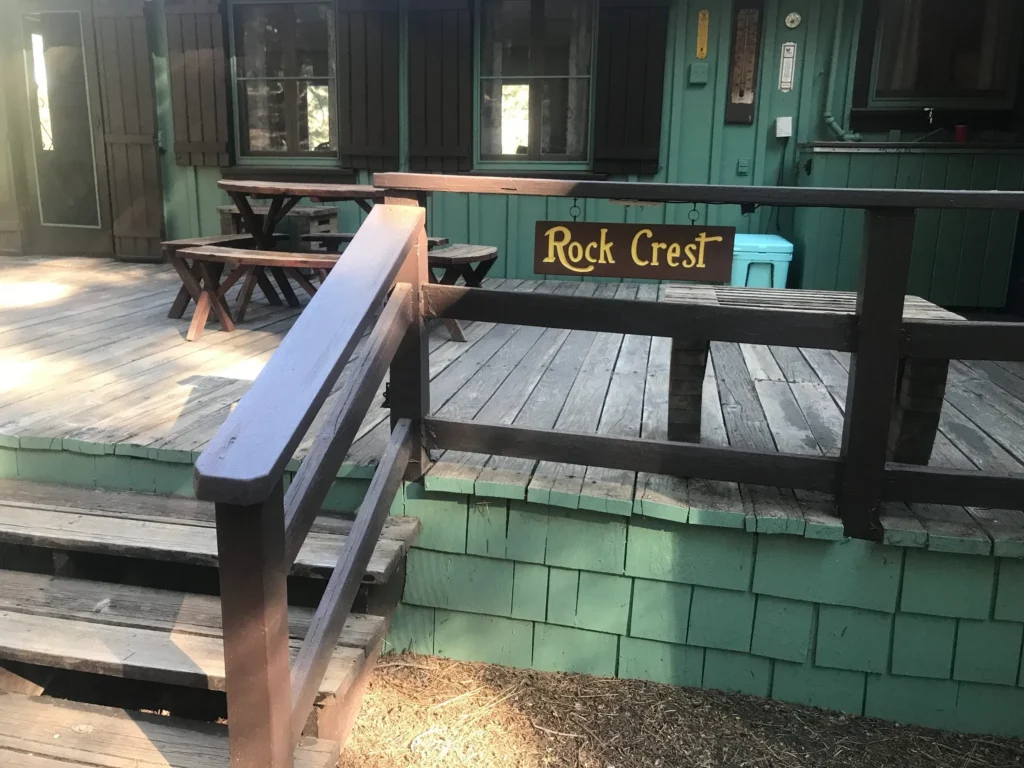
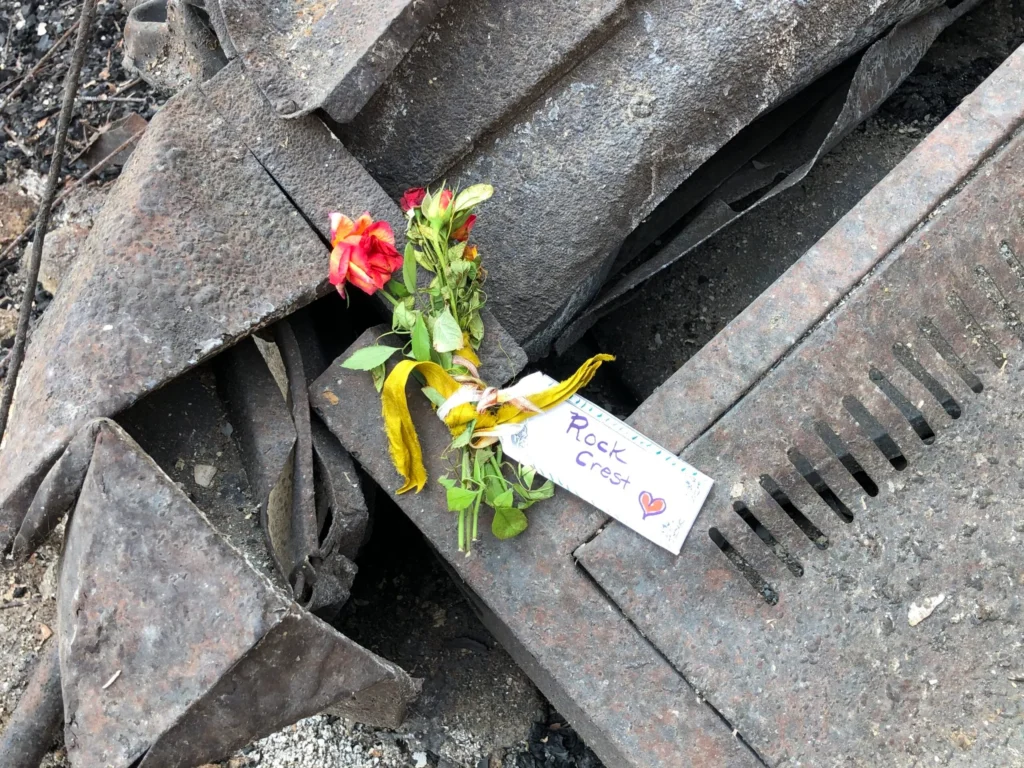
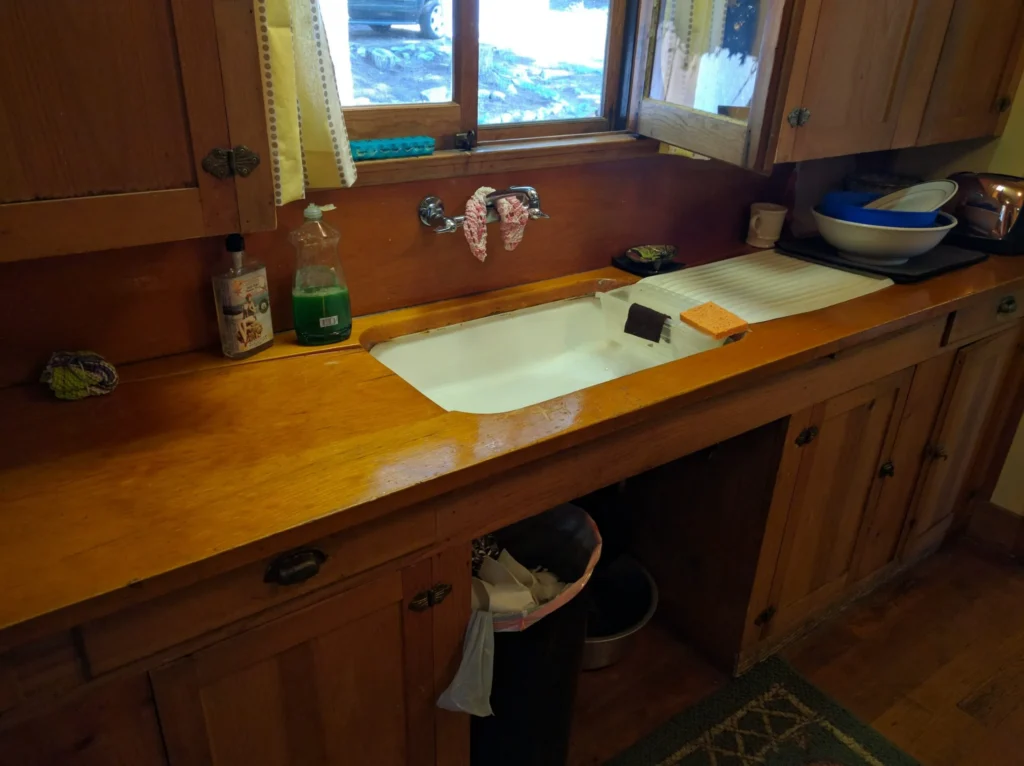
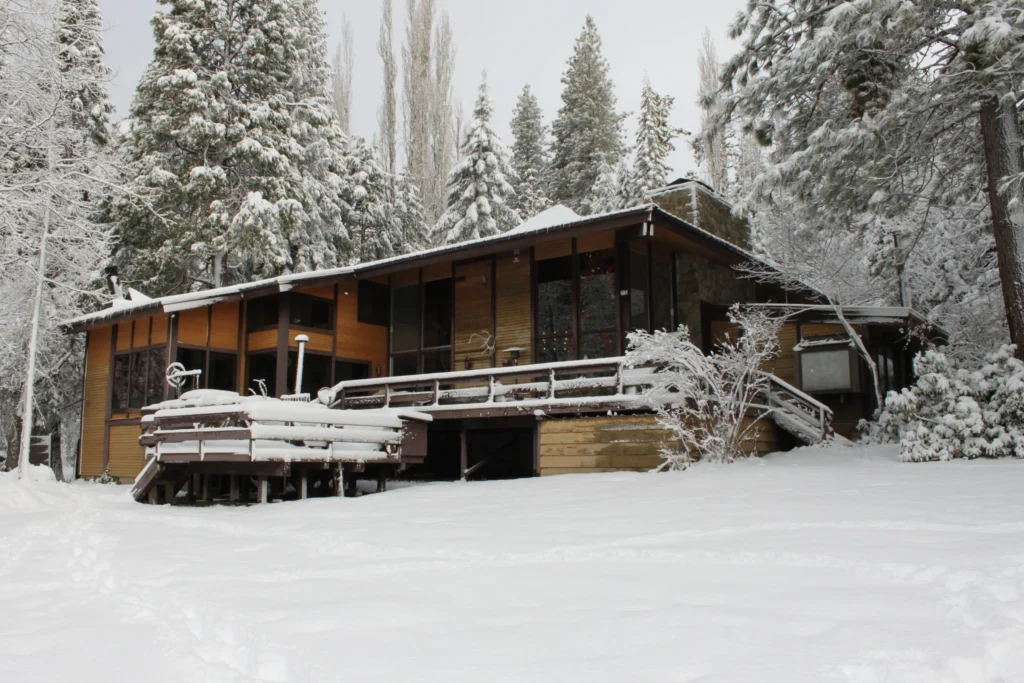
We purchased our beloved cabin, “Rock Crest” in 1999. Being a 4th generation Dowville Tract family, I realized how lucky we were to find this cabin in Huckleberry Tract with a beautiful view of the Lake. Built in the early 1920’s, it was cared for by one family for three generations. We treasured this cabin, its history and all of its amazing surroundings. We feel very fortunate to have been able to love and enjoy it for all of these years. Rock Crest was a cherished member of our family and needless to say, we were all extremely sad when it left us, destroyed in the Creek Fire. We were not alone, forty two of our summer neighbors and friend’s cabins were also consumed that horrible day in September 2020. We will treasure the memories always and rest assured, the Phoenix will rise again from the ashes.
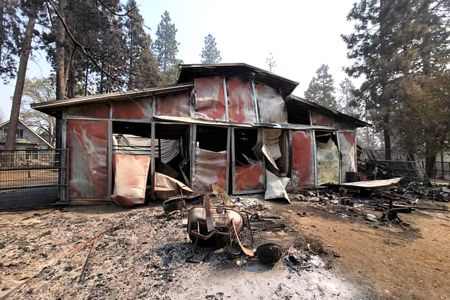
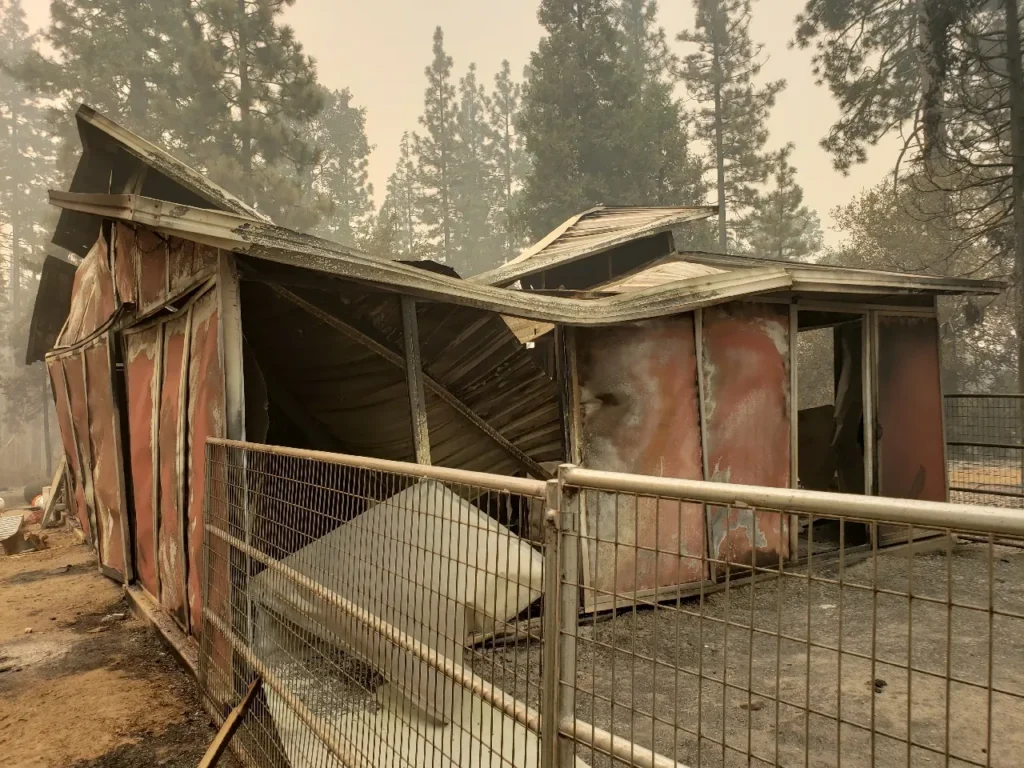
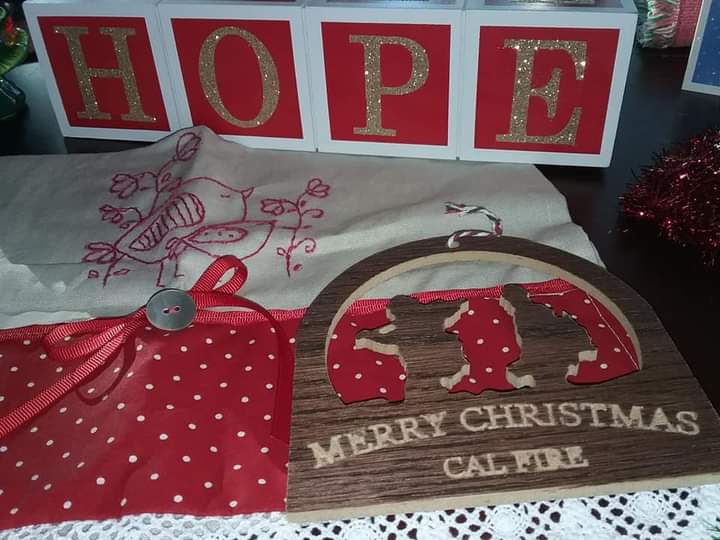
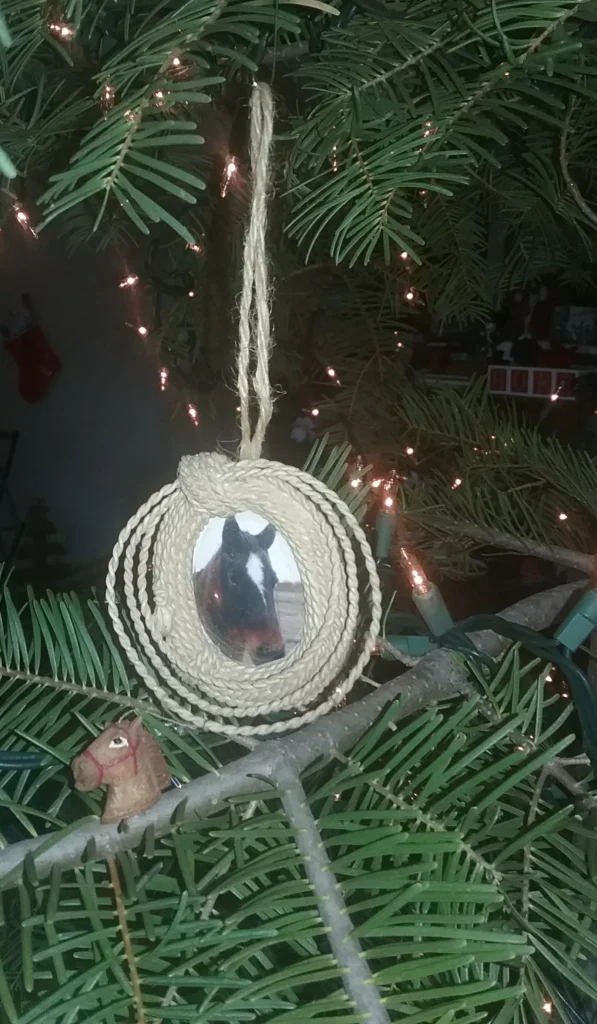
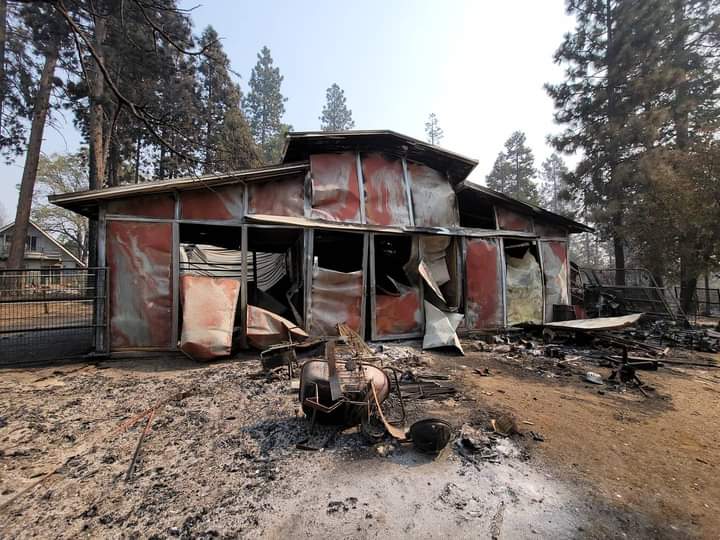
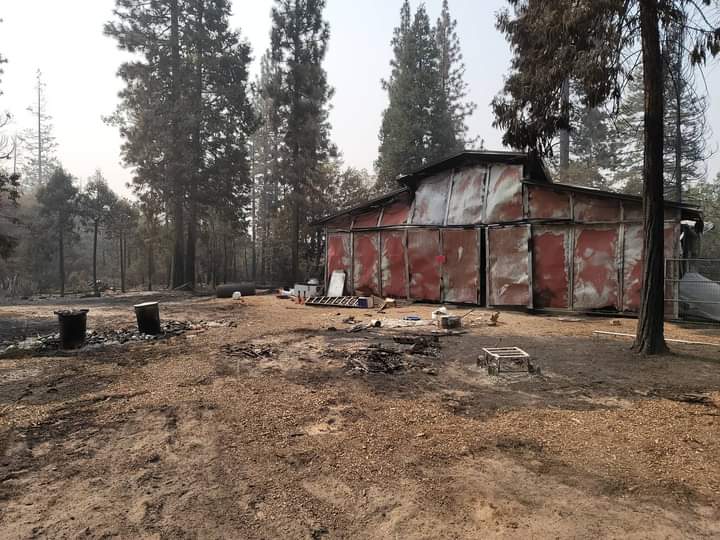
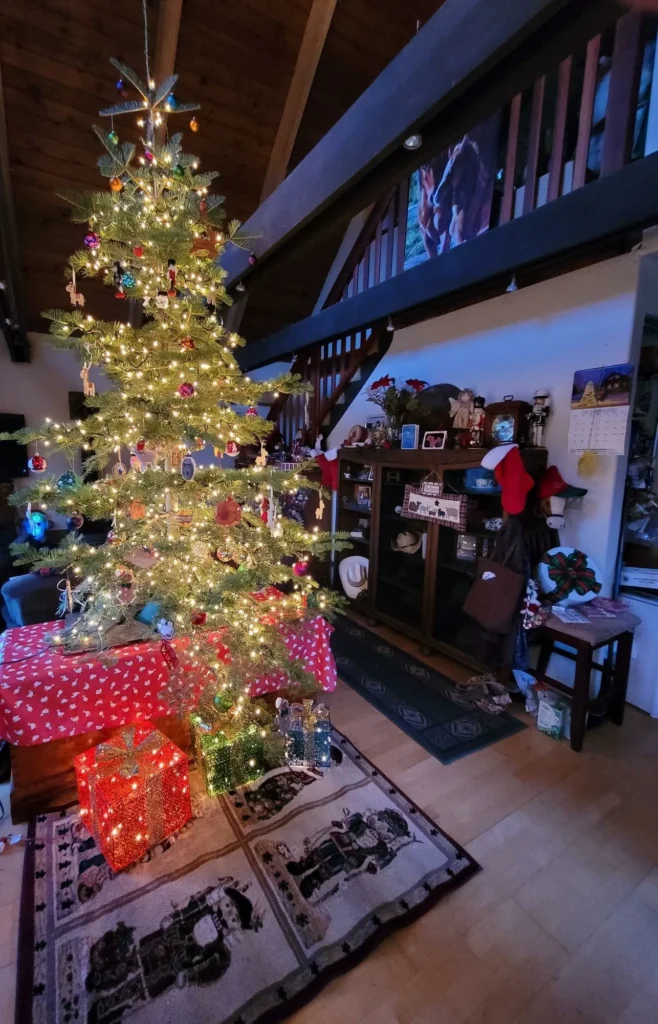
The Creek Fire came through our property and destroyed our horse barn, shed, and 40′ foot storage unit. Search and Rescue helped us evacuate our horses, as my husband’s horse would not trailer load. It took 2 doses of tranquilizer, but she loaded two days before the Creek Fire Storm came through. After we were able to return to our slightly damaged home, my sister organized The Hope Tree Project where family and friends donated Christmas decorations since all but two of our ornaments were lost in the fire. The response was so overwhelming, it took us two DAYS to de-decorate from all the donated items! We are blessed to have such a wonderful family and community!
My Husband, David, had been looking for a place in the mountains for quite awhile when he stumbled upon our place. He fell in love with it when he first saw it and it has been his, then my, heaven on earth. That does not mean living up here was easy or convenient by any means, but the peace and tranquility you feel in your home is worth the extra money or duties that come along with it.
We had remodeled our old cabin when David retired in 2011, living in a tent during the process. It was the start of the big drought, so good timing for building and tenting.
Then came the bug kill and we, like many others lost several trees, even having to pay for a few to come down. We were certainly set for firewood! This summer, it seemed to me things were really dry, even after a few good wet seasons.
Then, we saw the huge cloud of smoke! We weren’t overly concerned as it was more than 15 miles away. I was on the computer constantly watching its progress, noticing that within a day, everyone on the lake was ordered off (and this was a HUGE Labor Day weekend, with temps soaring above 100 degrees) and soon the town was already being evacuated. The smoke had grown thick and by Sunday morning, Cressmans and Auberry Rd were ordered out. We never received any warnings, but stayed in contact with the neighbors and noticed even homes on Peterson Rd. were leaving.
It was hard to breathe, and I encouraged David to just pack, having been invited to stay with friends during this process. We still weren’t worried, and didn’t pack everything we might have, but certainly glad I packed all that I did! We gathered the pets and left early evening.
The drive out was haunting and lonely…it looked abandoned, and we still had not even received a warning!
We watched as the raging fire quickly progressed and shocked as we saw Cressmans go down on Monday! The weather reported stronger winds and a change in direction heading south…OUR direction!. I was born in 1960 and Tuesday, my 60th birthday, my Beddian birthday…worst birthday ever…we KNEW our house was gone!
Our neighbors reported, one by one, their losses showing pictures of the still smoking skeletal remains. We stressed as we searched for someone who would be able to check on our place.
Then the neighbor next to us said a friend checked on Cripe Rd reporting all houses were gone, showing pictures. I asked if there were any of our place. She looked but did not see any, so we still couldn’t verify our loss. We finally found a sheriff friend who said he would try to check, and we drew a map out for him to find the place. He ended up not having time, but gave the map with our permission to a news crew who did proceed to check on it for us.
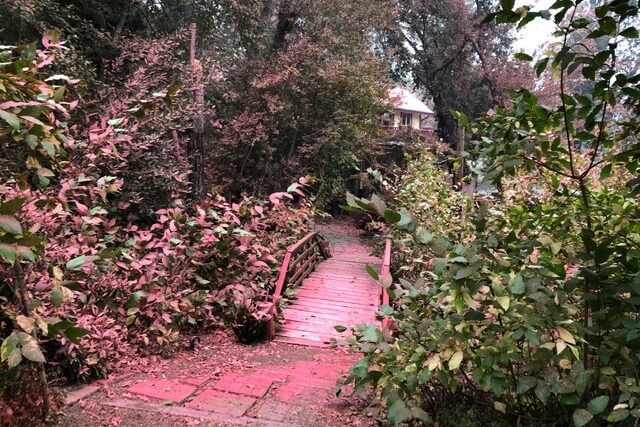
We were SHOCKED to receive a call from him with pictures showing our house still standing! It was covered in pink retardant and we were never so happy, but conflicted feeling a tremendous amount of survivors guilt! We made the local news, and everyone was so happy for us.
We waited what seems to be a month, being the last phase, to finally be allowed in to our place. We were expecting to have to replace the freezer and refrigerator and deal with a horrible smell. We were busy unloading stuff from our truck into the carport to help with clean-up, when David went to our walking bridge and exclaimed, “It isn’t there”!
We were taken aback since by all reports, it had survived the worst of the fire! We quickly took pictures and left in a stupor.
We now, like most of our neighbors, did not have a home to return to! We have been very fortunate and were offered to rent a house from friends, who used it during their time of evacuation. It has been a real source of comfort, but the unsettled feeling has not left us. The waiting period for Fema to come in, deal with Insurance, and all that came with that was very stressful, but at the same time, took our minds off of our loss.
We are still waiting for the debris cleanup, which had just begun and were going to do our place as it had been such a dry winter, when the storm of the century, the atmospheric river, blew in and stopped the progress!
Right now, we are still waiting, but hoping to get some skiing in since there is finally snow, but our hearts weigh heavy!
Due to the ferocity of the Creek Fire, my wife Laurel and I are now displaced persons staying in a motel in Fresno. On Sunday, September 6, we were ordered to evacuate from our house in the Pine Ridge community, just south of Shaver Lake. We were out by one in the afternoon, leaving behind our home amid its twelve acres of pine, oak, and cedar forest – at that time all still properly green.
Sunday through Tuesday were full of conflicting reports of fire behavior: high hopes that the fire would spare the home we had built and lived in for fifteen years, and grave fears that our place would burn down to ashes, rubble, stem wall, and slab.
On Tuesday September 8 we learned that the much-feared latter possibility had in fact come to pass. Our house full of home was no more. Despite the herculean efforts of CalFIRE, the US Forest Service, Cal OES, local volunteer fire departments, and myriad other agencies, the strong majority of homes and structures in our unique and much-loved community were destroyed when an avalanche of flame poured through the forest of Pine Ridge overnight Monday.
We take solace in the fact that everyone in our tract got out unhurt. Laurel and I still have each other, our important documents, our old dog and young cats. Our regrets are also eased somewhat by the fact that in our community we had done all we were supposed to do, and more. With help from the Highway 168 Fire Safe Council and CalFire, we had over the previous twenty years put in firebreaks, taken down standing dead trees and, with help from the Sierra Resource Conservation District, had begun removing the remaining log decks of those dead trees.
Our community prided itself on its long tradition of effort aimed at reducing and mitigating fire hazards. We knew there was a risk to our living in the mountains and we took many steps to lessen that risk. Yet the Creek Fire was so extreme that it overwhelmed all our defenses.
Perhaps in the back of our minds we believed that the wildfires we knew were coming would somehow always be someone else’s catastrophe, not our own. Even when Laurel and I were evacuating from our neighborhood, we assumed that our place would be safe and we would be able to return to our home and our normal life. Instead we have suffered loss upon loss and are sick at heart over what has happened.
In our case, insurance has helped a great deal, but it can never replace all that was lost. The particular things our house held within it are too numerous to describe here, and perhaps only insurance adjusters would want that description in minute detail. Outside the house, our old pickup truck, wood splitter, tool shed, well house, and wood shed — with its cords of summer’s split logs that would not wait for winter and woodstove to burst into flame — are all in ashes or twisted metal.
The adjusters will not be so readily able to quantify many other items. Here once stood the birdfeeders and birdbaths, visited by Steller’s jays, juncos, grosbeaks, finches, tanagers, quail, nuthatches. Here stood the red maples we planted for fall color. Here, planted for their white blossoms, stood the Rose of Sharon bush, and the Carpenteria, endemic to our watershed alone in all the world. Here stood the raspberries, huckleberries, gooseberries and currants, planted for their sweetness. Here stood the daffodils, peonies, yarrow, and penstemon, planted to surprise us with their return each spring. Here stood the blue acres of self-sown wild meadow lupines, waving goodbye.
The fire expelled us from the mountains into the valley, where the pressures and necessities of masking up and dealing with Covid-19 are much more in our faces than was the case in our small rural community. Nonetheless, beyond questions of beetle-killed trees, forest management issues, overstretched firefighting resources, drought, and climate change writ large, the Creek Fire is, like the coronavirus pandemic, distinctly a Wildland Urban Interface (WUI) problem, in firefighter parlance.
Our wildfires and pandemics are, paradoxically, driven by our success as a species – by the pressure our ever-growing human population puts on wild environments, not only by proximity and intermixing but also by the exchanging of less-obvious properties (viral RNA and carbon footprint, say) between the “natural” and the “technological” spheres.
By living in the interface, we were part of the problem – and all the world is, ultimately, in the interface. We cannot truthfully say “We have lost everything” so long as we are still around to say those words. In that lies the hope that we still have time to learn, and to change.
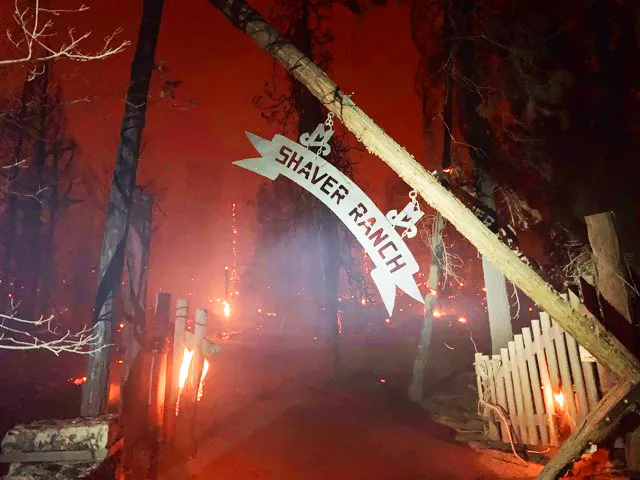
In the aftermath of the Creek Fire’s devastation of the Central Sierras, the unique historical legacy of this region emerges as if rising from the ashes. These many stories cannot remain buried beneath soot. Rather, these stories are our collective history and are important guides for shaping our future. Many remnants of the local history of Pine Ridge, an area with deep historic roots, have been stored or displayed at Shaver Ranch for hundreds of years. The fast and furious Creek Fire destroyed those relics in seconds. Our Shaver-McDonald family hopes that sharing this Shaver Ranch story might empower hope and inspire other local families to persevere and continue our shared Central Sierra heritage. As with many other family stories from up on the hill, our family story is not only ours but rather is woven into the fabric of the Central Sierra community. These stories are an important part of where we all came from and of how we move forward in light of this year’s natural disaster. We must rebuild our community in a way that honors this unique historic legacy of our region.
CB Shaver: A Man of Determination, Courage, Ingenuity, and Enthusiasm
The twenty living members of the Shaver-McDonald family strive to emulate our brave pioneer ancestor, CB Shaver, who headed west to the Pine Ridge area to put his flume building experience, business acumen, and logging skills to use in hopes of building something great. CB Shaver came to California in 1891 from Michigan and was instrumental in, though certainly not solely responsible for, developing Shaver Lake and the surrounding logging industry. He was a pioneer over a century ago, taking bold steps into the unknown. As with all history, some might criticize the forestry practices of a vastly different time. Rather than judge his actions based on modern day thinking, our family has long felt bolstered by his determination, courage, and ingenuity— values we hold dear. Along with other brave members of the collective Central Sierra history, CB Shaver took on the seemingly insurmountable obstacle of the steep Tollhouse Grade in building a logging flume that stretched over 40 miles from the Central Sierras to the Valley Floor. Prior to their major feat of damming Shaver Lake and building this V-shaped flume, logging in the 1800s was limited by the difficulty of moving timber by wagon down the steep grade. By 1905, CB Shaver’s company enlisted advancements of the industrial revolution, operating two steam powered mills, railroad locomotives and cars, tugboats, and booms. The lumber sent down the flume to the Clovis mill was used in box factories in San Jose, orange dealers in Southern California, and raisin shippers in Fresno.
Read More
In our family, we like to believe C.B. simply stands for “Cannon Ball,” although to be historically accurate he was Charles Burr Shaver. He maintained a certain flare for getting things done. He was the kind of man who, upon learning he missed his last opportunity down the hill by stagecoach, jumped aboard a log on the aforementioned flume and rode it down the steepest portion of the flume between Pine Ridge and Tollhouse (with speeds exceeding 35 mph) to catch up with the stagecoach. His only regret in choosing this mode of transport was that he lost his favorite derby hat along the way. This story, along with his nickname, Cannon Ball, both embody his trademark enthusiasm.
The Shaver Ranch: From Town Center to Quiet Retreat
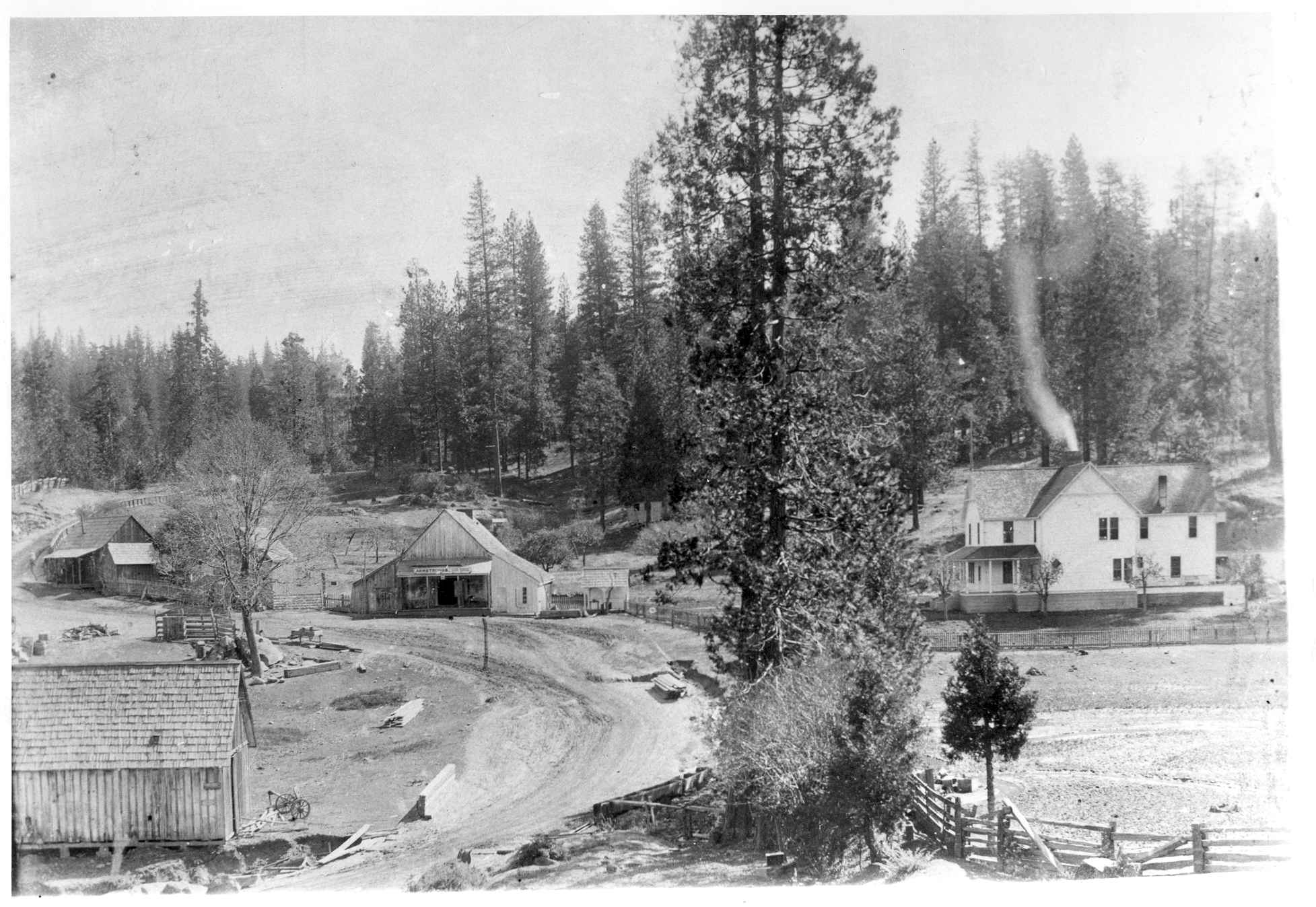
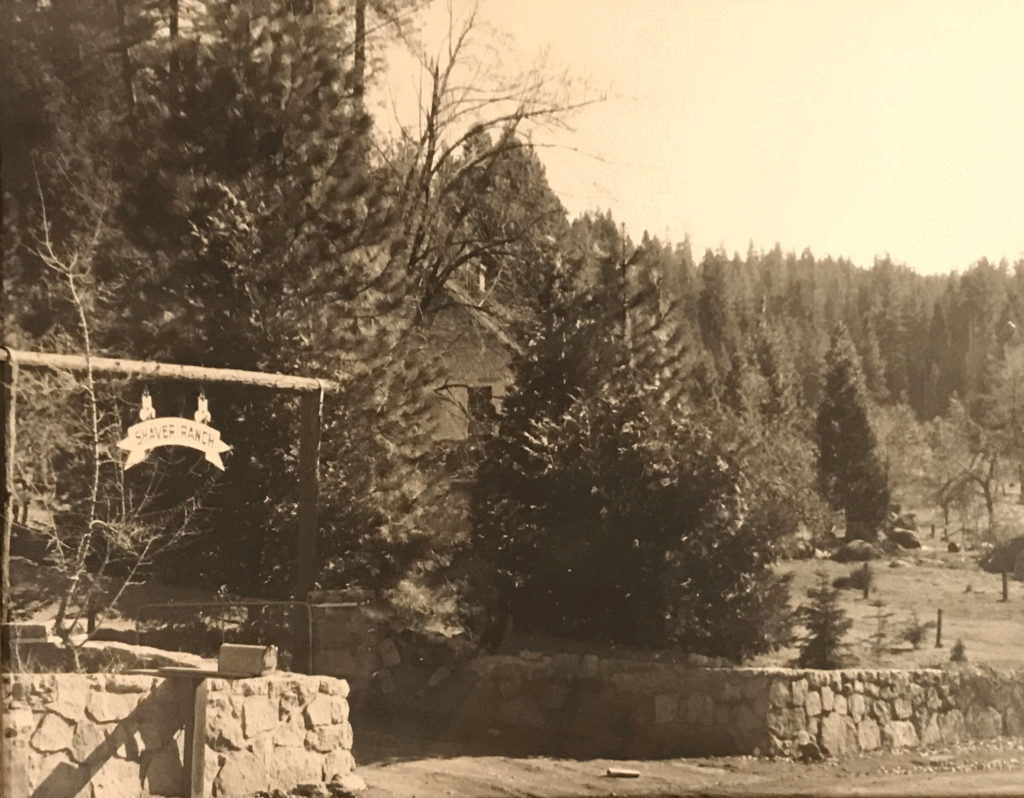
By the time CB Shaver arrived in the Pine Ridge area in 1891, the land currently referred to as “Shaver Ranch” had been stewarded by many families. Its first inhabitants were likely Native American families as with much of the Central Sierra. As early as 1867, the Humphrey and Mock families developed milling operations and a family cabin there. These early pioneers logged with oxen and log wagons. The land changed hands numerous times in the following decades and soon included many community amenities such as a barn used for social gatherings, a General Store, and a restaurant. In 1894, just three years after CB Shaver began his work in the area, the Shaver Ranch became known as Kenyon’s resort, complete with a post office, a hotel, camping cabins, a butcher shop, a 3-hole golf course, a dairy, a blacksmith shop, and a one-room school. This destination became commonly known as “Pine Ridge.”
The devastation of Shaver Ranch hurts all of us, but especially those who know its history. At one time, Pine Ridge was “the end of the road.” Prior to the Shaver family’s stewardship of Shaver Ranch, the Valley community drove up the old Tollhouse road and convened there. As a result, the old barn, which the Creek Fire devoured in just seconds, housed many an event and we all imagine the dances and festivities that took place there. We cherish the lore of motor cars racing up the Tollhouse Road, culminating each year in yet another gathering at Pine Ridge. At that time, the Shaver Ranch barn and forest were surrounded by apple and pear trees, cattle, a livery stable, a saloon, and the various town center amenities described above.
In 1921, the Shaver family began its stewardship of the Shaver Ranch property. After CB’s death, his widow, Lena Shaver, purchased the Shaver Ranch property with her daughter and son-in-law, Henry and Grace Craycroft. With the passing of time and growth of the community further up the hill, the ranch became a cherished family retreat. Many people connected to the CB Shaver family still remember fondly their time enjoying its mountain splendor.
The Shaver – McDonald Family: A Shared Legacy of Stewardship
Our family’s roots to Shaver Ranch are linked to one of CB and Lena’s daughters, Doris Shaver. Doris was blessed to enjoy a summer escape at Shaver Ranch for her sons to experience nature and the great outdoors. Her son, Douglas Shaver McDonald, cherished time spent there. Although his career as a grown man took him to urban Los Angeles, he made weekend trips to Shaver Ranch for respite. We imagine that the natural beauty of the meadow and forest there brought him peace and comfort and helped him overcome any other challenges he faced in life. His childhood memories there must have inspired him to improve the early lives of others and he helped launch the Big Brothers and Sisters of Greater Los Angeles.
By 1970, Doug moved to Shaver Ranch and dove full-fledged into the mountain community. Doug seemed to befriend everyone on the hill. Those who helped him steward Shaver Ranch were not employees, but friends. When he saw a need in the community, he knew how to rally the troops to meet it. One of his greatest gifts to the area was his help, along with Joe Weirick and others, in founding what was then the Clovis Community Bank, and has now grown into the Central Valley Community Bank. This experience only strengthened the McDonald family’s relationship with the Weirick family, who at one time owned China Peak. In recent years, Douglas McDonald’s great-grandchildren have enjoyed time spent picking apples at the Weirick’s Meadow Lakes Apple Company. This is just one example of how lives up on the hill blend together into our shared legacy of a beloved community. Many families in the area have similar multi-generational connections to one another. Doug McDonald’s life represents a legacy that many on the mountain hope to continue now more than ever—generosity, love of people, and meeting the deepest needs of those around us. He also taught us by example how to persevere in rebuilding after a fire, which he did in the 1960s after a house fire destroyed the original Shaver family home, the historic inn.
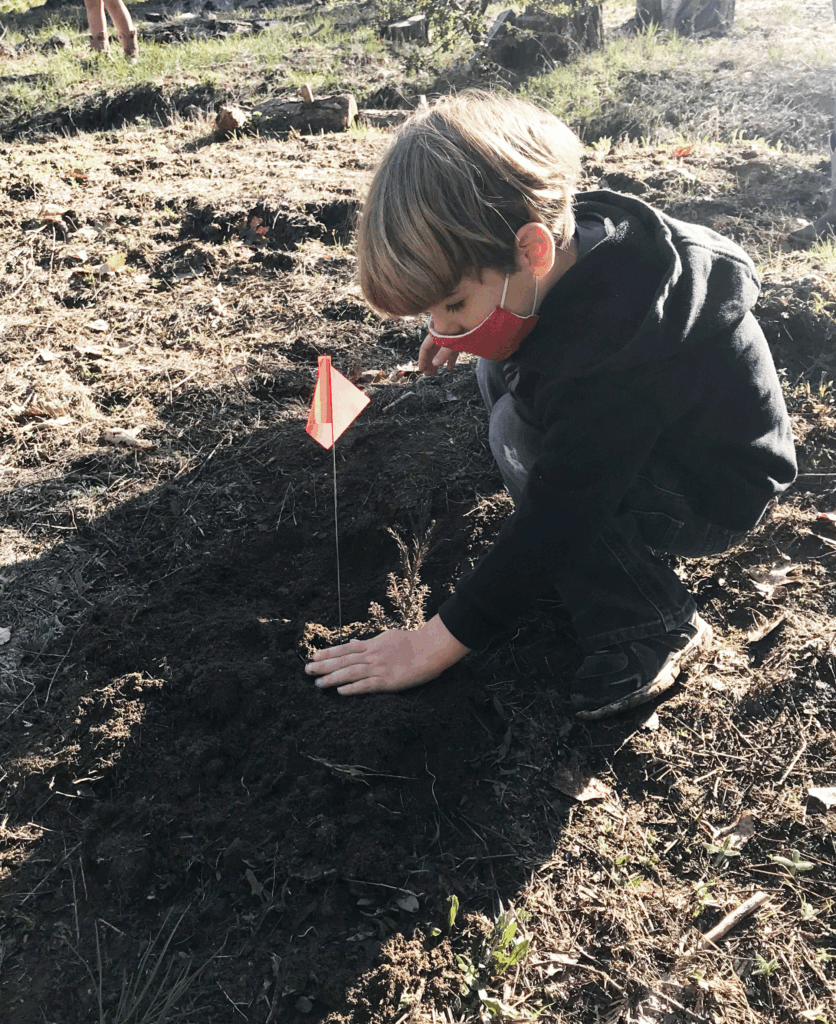
Our family remains forever grateful for the opportunity we have had to enjoy the vast creation of Shaver Ranch, but more than anything for the gift of sharing in such a special family story. Steven McDonald has worked tirelessly to steward Shaver Ranch and its forests his entire adult life, with the help of many others including the caretakers who lost their home there in the Creek Fire. His stewardship in the 1990s included rebuilding the caretaker house and managing salvage logging operations after beetle infestations during the big drought years. With help from his two sons and their friends, who built 5 miles of fence during the summers of 1994-1995, Steven brought cattle grazing back to Shaver Ranch to promote the health of the forest and the reduction of brush growth. For the last four years, he has led an incredible effort to reduce fire hazards on the property through the removal of trees killed by beetles. As recently as Spring of this year, many of Steven’s grandchildren spent a morning with the Shaver Ranch forester to plant seedlings to offset the loss of those trees.
Douglas and Steven taught us all the joy of hard work and caring for a special piece of God’s creation. The gift of stewarding the land has also included many enjoyable tasks like picking apples for homemade pies and fresh-squeezed cider as well as cutting firewood and bringing the wood into the fireplace log by log through a line of friends working together. This large rock fireplace still stands as a beacon of hope among the ashes at Shaver Ranch. One cherished tradition at Shaver Ranch began when Steven was a teenager and grew into an annual event where the Cressman family would help us top a beautiful fir tree for the ranch Christmas tree, and we would watch its trunk grow a new top years later. In recent years, the fifth and sixth generation members of the Shaver – McDonald family have taken on this task. This tradition has taught us about how a forest renews itself and how we can respect its ability to do so. In the McDonald family, we were taught to work hard so you can play hard, and sometimes the line between work and play was blurred. Our experiences at Shaver Ranch taught us that there is such sacred joy in using our abilities to care for or work in nature. And, in doing so, “the more the merrier.” Grateful stewardship of the historical and natural legacy of Shaver Ranch remains a family tradition.
Our Beloved Community: A Commitment to Revitalization
Our family home at Shaver Ranch may have been best known for its large round pine table with its trademark Lazy Susan that turned on a model-A axle. Over the years, many friends, colleagues, and family members gathered around that table, resting their feet against its pine stump base during hours of conversation and laughter. This table best represents the many threads woven together into the Shaver Ranch tapestry. This is not just our Shaver – McDonald family legacy, but one shared by many. When the Creek Fire raged through our beloved Shaver Ranch, we suffered a great personal loss. Yet, our whole community and the spectacular ecosystem Shaver Ranch provided to plants, trees, and wildlife was also devastated. Our Shaver-McDonald Family, as the proud and loyal stewards, are heartbroken along with so many others. Now, we dig deep along with the broader mountain community and muster the hope necessary to rebuild, one seedling, fence, and nail at a time. The Creek Fire is not the end of the Shaver Ranch story or the legacy of the Shaver – McDonald family. As with so many other historical family stories on the mountain, our legacy is and always has been a legacy of determination, service, and boundless optimism. We need to revive our Central Sierras in a manner that honors this unique heritage.
As with any small community, our Shaver- McDonald family merged with another local family through marriage. One of CB Shaver’s great-great grandsons, Stephen Christopher Shaver McDonald, married a life-long Pine Ridge resident from the Saude family. The Saude family discovered the mountain community in more recent history than the Shavers and they have deep roots in the community. Their family story began in the Azores, came to our country by way of a homestead in Coalinga, moved south to join a dairy family in southern California, and then finally settled in the Shaver Lake area. The most recent member of the 5th generation of Saudes was born on September 4, 2020, just days before their home was evacuated due to the Creek Fire. The residence of Stephen and his wife, India, was miraculously saved from the Creek Fire despite three days of intense burning all around it. Watching this traumatic event in their life and the lives of so many in the Central Sierras, the McDonald and Saude families joined forces, along with their dear friends affected by the loss of the Cressman’s General Store and many from the broader community, to create the Central Sierra Resiliency Fund. We are inspired by the dedication of the many community members and Central Sierra Historical Society staff and leaders who, despite evacuation, hardship, and disruption of their daily lives, have come together to launch this important local effort. We love this mountain community and our shared stories. We want to ensure the resources are available to restore the forests and get people back living, working, and recreating on the mountain again.
When you know where and who you came from, you are better able to navigate where you are going. This is particularly true when the visibility is low, the sky is gloomy, and the future looks dim. So, just as CB Shaver courageously sought to build up this mountain community by bolstering its logging industry and connection to valley towns, our family hopes to inspire the “Cannon Ball” spirit and help to revive this important historic mountain community in a manner that honors the collective stories of the region.
For a detailed account about CB Shaver, please click here for a 2012 biography of C.B. Shaver prepared by Douglas Shaver McDonald II.
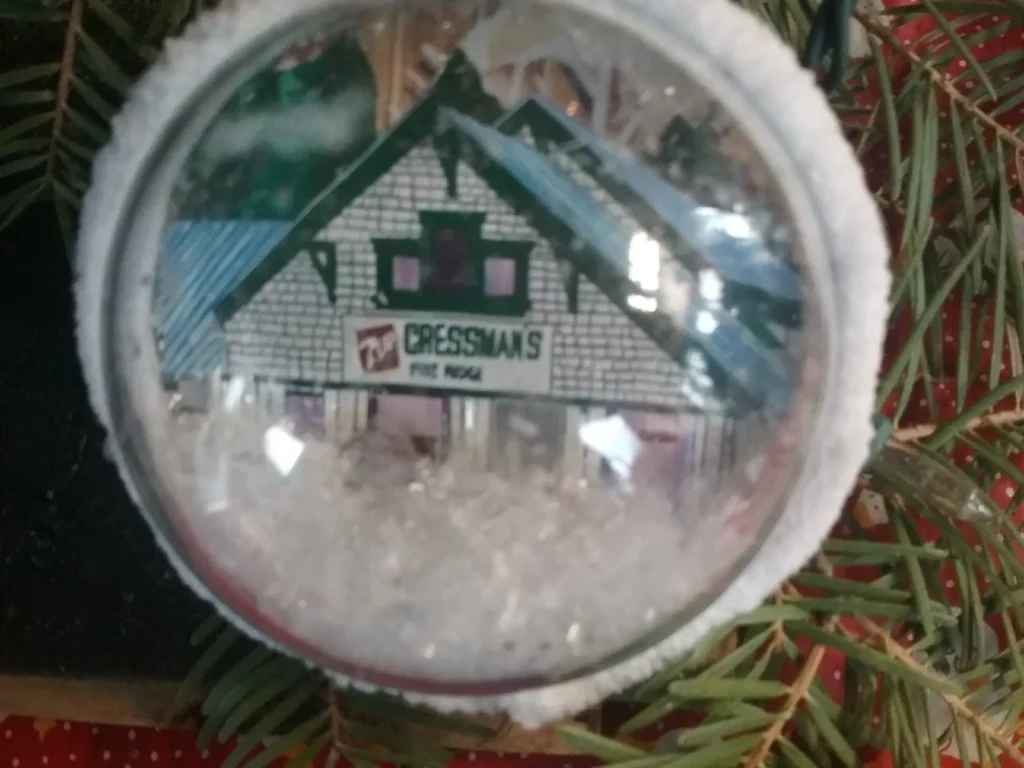
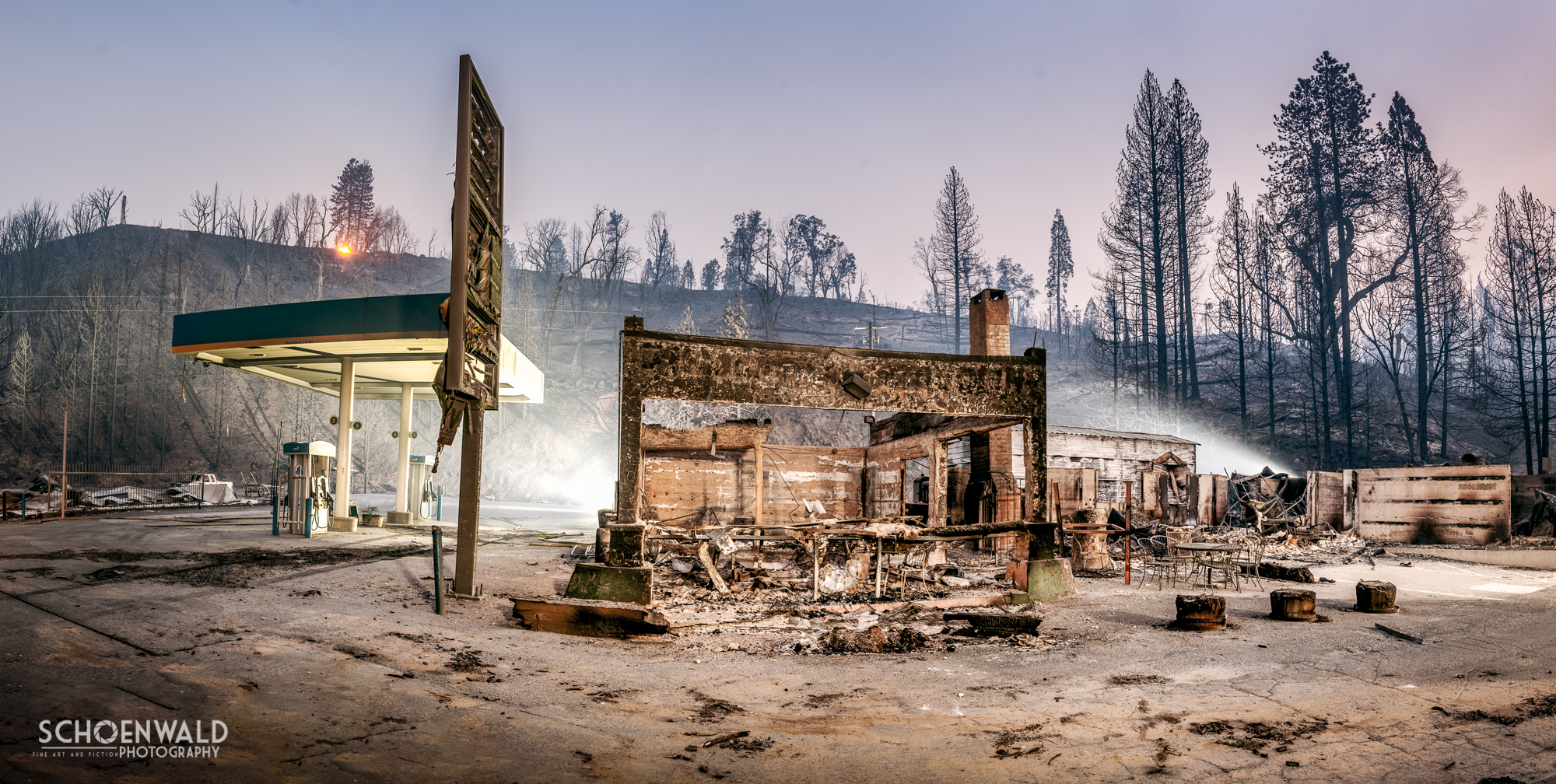
Cressman’s General Store is an iconic landmark in Pine Ridge on the way up the mountain to Shaver Lake, built in 1904. For well over a century, it has provided food, fuel, and supplies to loggers, fishermen, campers, and locals coming up and down the mountain. It is a staple of the mountain community. That’s why we try to welcome everyone with a smile – not only because it’s a friendly greeting, but because it sets the tone for all that Cressman’s represents.
My wife, Tara, and I became the owners of Cressman’s in 2019, but we both grew up just minutes away. In fact, our families go back for generations here in the mountain communities. Tara’s great grandmother owned and operated Mountain Rest, not far from Cressman’s. And my grandparents moved their family to the Pine Ridge area to enjoy water skiing and snow skiing throughout the year.
Cressman’s General Store is an iconic landmark in Pine Ridge on the way up the mountain to Shaver Lake, built in 1904. For well over a century, it has provided food, fuel, and supplies to loggers, fishermen, campers, and locals coming up and down the mountain. It is a staple of the mountain community. That’s why we try to welcome everyone with a smile – not only because it’s a friendly greeting, but because it sets the tone for all that Cressman’s represents.
My wife, Tara, and I became the owners of Cressman’s in 2019, but we both grew up just minutes away. In fact, our families go back for generations here in the mountain communities. Tara’s great grandmother owned and operated Mountain Rest, not far from Cressman’s. And my grandparents moved their family to the Pine Ridge area to enjoy water skiing and snow skiing throughout the year.
We grew up here, fell in love here, established our family here and built connections with people here – and Cressman’s played a role in all of it, helping us maintain our deep roots in this community.
While Tara’s calling has always been taking care of people, which led her to become a nurse practitioner at Valley Children’s Hospital, I have a passion for business. When opportunity to own Cressman’s came about, we knew it was a life changing opportunity and a perfect fit for our family.
Taking ownership of a place with such historic significance was pretty daunting. But we had plenty of support and guidance from the previous owners, and we were able to introduce some of our own vision to the store as well. We worked with Kuppa Joy Coffee to bring great coffee to the area and were in the process of creating a coffee shop in one of the outbuildings. We also began working towards adding a brewery to the site someday in the future.
Owning Cressman’s was an opportunity to become part of the fabric of our community. I met amazing people who also love the Central Sierras and it was better than I could have ever imagined. But in September of 2020, it all burned to the ground. Our store. Our home. Our community.
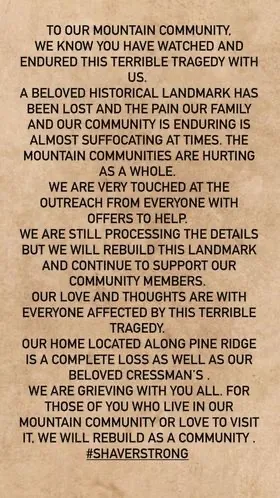
We are committed to rebuilding Cressman’s General Store as soon as possible. We see it as a beacon of hope in the community, and want to inspire others to stay, rebuild, and create a better the future for the next generation to enjoy.
In the wake of generosity and support following the fire, we spoke with our crew and other local families and realized there would be many who didn’t have the means or ability to rebuild. These conversations galvanized into a group committed to reforest the mountains and rebuild the community. We identified key leaders in the area who supported these efforts, and the Central Sierra Resiliency Fund was born.
The Fund provides long-term resiliency planning. The engagement of the Central Sierra Historical Society means that these monies can help the community now, but also focus on intermediate and long-term needs. Providing a tax-deductible way of contributing also allows for funding to come from a wider scope outside of the region.
What can we do right now? We can plant the seeds of hope and resiliency. We can aid in restoring and safeguarding the mountain soil before the rain and snow begin to fall. We can help people navigate through the hardship of starting over. We can learn from the experiences of other fire-exposed communities how to keep people from leaving the area. And we can support the efforts of so many local people making a difference through charitable work.
In the spring, we will plant trees and begin the process of making new memories in this area we call home. We will continue to set an example of how a community can come together in the face of adversity and succeed in creating something we are all proud to be a part of.
The historic nature of Cressman’s General Store, Shaver Ranch and The Central Sierra Historical Society are a natural nexus because of their shared values. Together, we hope to inspire, support, and build on a common vision for the future of our region.